Julio Foolio, Unions and “Sweat Equity”
How incarceration and labor are bound together.
Calvin John Smiley
In These Times is proud to be independent, pro-labor and anti-fascist. Support our work today and help left-wing journalism thrive.
In June 2024, Florida-based rapper Julio Foolio was gunned down and killed outside a hotel in Tampa. A prominent artist in the drill scene, his death, and the trial that followed, sparked more than surface-level debate online about the use of digital technology, violence imbued in this music, and the role of artificial intelligence and social media algorithms in murder.
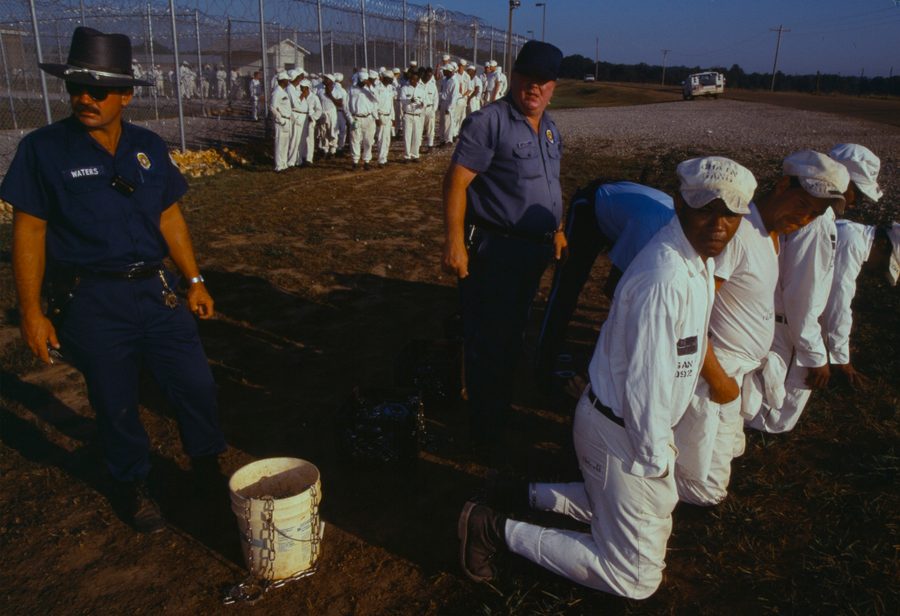
However, this story, like many stories of carceral punishment, comes down to labor, revealing how incarceration and labor have long been intertwined.
In the end, one woman and four men, all between the ages of 18 and 30 at the time of the shooting, were convicted and Alicia Andrews was sentenced to 15 years in prison, while the four men faced capital punishment or life without parole.
During sentencing, defense attorneys argued against the death penalty. But then, so did Raul Banasco, a former warden and jail administrator from Texas, but for vastly different reasons.
Banasco argued against the death penalty — not from a place of progressive or liberal ideology, but rather to advocate for what he called “sweat equity.”
“[Sean Gathright] is someone that is young, he is healthy, and [the] reality, we need that labor, we need that sweat equity, and we will put him out there to work because we do have an aging prison population, jail administration, we have that,” Banasco said. “So we put these young individuals to work and get some sweat equity out of them, since they are young and actually can do the work.”
For decades, the term “prison industrial complex” has been used to refer to the exploitation and extraction of labor from people incarcerated. In recent years, states, and other countries, have come under increased scrutiny for using incarcerated labor to put out wildfires, create PPE during the Covid-19 pandemic, and general prison maintenance.
In a previous column for In These Times, “Putting Reentry Out of Business,” I argued that unions must think beyond reforms and consider abolition, and the case of Julio Foolio also shows us how critical it is for unions to play a central and aggressive role in inhibiting prison labor practices.
There are a few things that unions can do right away to have an impact. First, outright condemn prison labor as unethical and underscore that they contradict the very notion of labor laws.
Second, unions can support prison workers on the inside by setting up locals within state facilities, which would equip those prison workers with structures and tools to fight for a minimum wage, set work hours, protections, and safety regulations surrounding types of work, and collective bargaining.
Third, unions can support prison workers on the outside by refusing to reproduce the carceral state. This includes refusing contracts with departments of corrections and actions such as stopping deliveries or other services. This works best if it’s operating as mutual solidarity. This means that if imprisoned labor goes on strike, free labor also goes on strike, and vice versa.
Finally, unions can play a crucial role in the reentry process of supporting individuals returning to society to find jobs, earn skills, and protect their rights.
We must continue to address the root causes of harm, pain, and violence to quell the types of actions and dynamics we saw out of the Julio Foolio case. But we must also condemn and counter the actions of state violence that reproduce cruelty, exploitation, and extreme forms of punishment.
Abolition is not without public safety. Abolition provides toolkits to think about harm, our responsibilities to stop harm, and our responses to harm when inflicted.
And the first step toward an abolitionist strategy is through collective efforts and unions provide that base.
For 50 years, In These Times has amplified the movements fighting for workers, against fascism and to build a more democratic future. Become a monthly sustainer today and keep independent journalism publishing for the next 50.

Get 10 print issues of our award-winning, worker-first journalism here!

Calvin John Smiley is associate professor of sociology at Hunter College and author of Purgatory Citizenship: Reentry, Race, & Abolition and Defund: Conversations Towards Abolition.