Why Workers Fought and Died for Union Hiring Halls
Part II of a conversation with Tacoma longshore workers Zack Pattin and Brian “Skiff” Skiffington.
Maximillian Alvarez
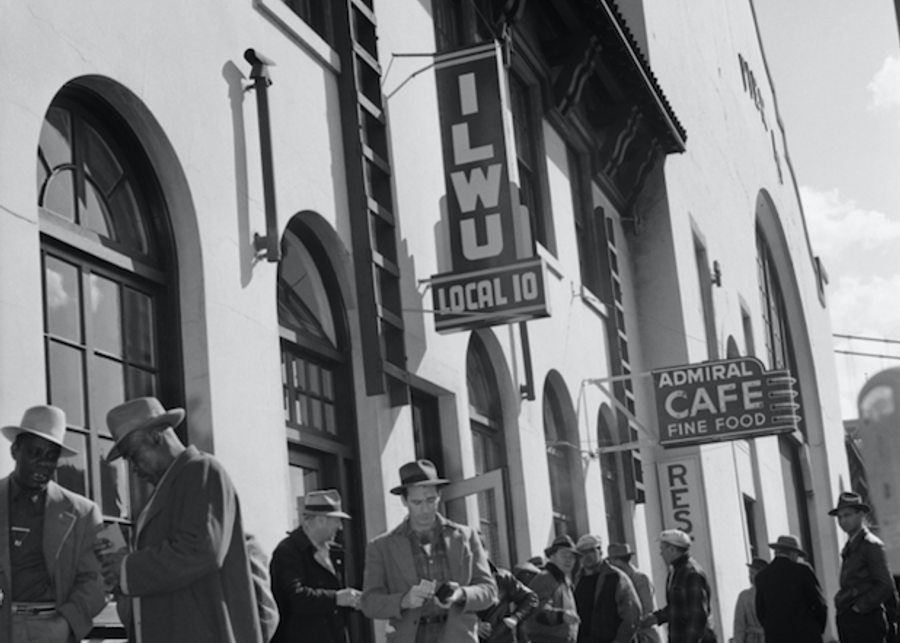
This is Part II of our special two-part episode with Tacoma longshore workers Zack Pattin and Brian “Skiff” Skiffington. Zack and Skiff are both members of the International Longshore and Warehouse Union (ILWU) Local 23 and organizing leaders with the ILWU Young Workers Committee. In Part I of our conversation with Zack and Skiff, we talked about their winding paths to working on the waterfront and about the beauty and madness of longshore work. In Part II, we take a deeper dive into the politics and history of the ILWU. We talk about what being part of the union has meant to Zack and Skiff, their families, and their coworkers — and why fixtures like union hiring halls are so important that workers fought and died for them.

Get 10 print issues of our award-winning, worker-first journalism here!

Maximillian Alvarez is editor-in-chief at the Real News Network and host of the podcast Working People, available at InTheseTimes.com. He is also the author of The Work of Living: Working People Talk About Their Lives and the Year the World Broke.