9/11/2001: I Was a Freshman in Alabama, I Wore a Hijab
Twenty-five years after Sept. 11, 2001, Gowayed writes that “the hate feels louder than it has ever been, more entitled and more brazen. I’m terrified of what the coming decades will bring.”
Heba Gowayed

9/11/2001
I was a freshman in high school in Alabama, I wore a hijab. In gym class my teacher wheeled in a screen. Something horrible was happening. I watched, mouth agape as the second tower hit.
We were silent.

As that period reached an end, my name was announced on the loudspeaker.
I went to the office to see someone who worked with my father there to check me out. I was sick to my stomach — had something happened to a family member? Did I know anyone in New York? Why was he there to pick me up? My father’s colleague did not answer me.
I got home to my parents sitting at the dining room table. I asked frantically if everyone was okay. Yes, my father answered. So why, I asked, did you take me out of school?
I was angry — this had nothing to do with me.
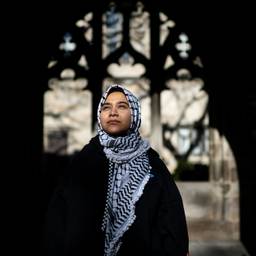

My father sat me down and began to explain. He started to talk about the Japanese internment camps, how people who had nothing to do with anything became imprisoned. It was the first time it dawned on me how race worked, how conditional our safety was.

25 years later, I live in New York, I’m married to a New Yorker who lost family in 9/11. But I, my community, my child, are still subject to the same hateful discourse that vilifies every Arab, every Muslim, that casts every demand for safety & freedom as illegitimate.
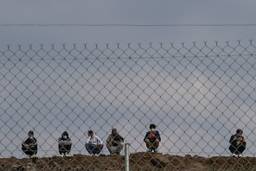
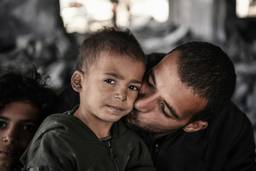
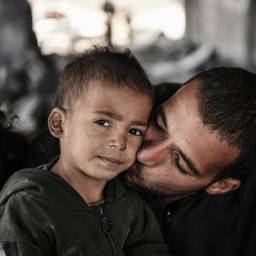
In the face of this white supremacist thinking it doesn’t matter that Mamdani was 10. That a million Iraqis were killed. That Palestinians are being genocided. That there are 11 million displaced in Sudan. That ICE detentions are stacked with people whose lives were destroyed by this country’s policies — whose refuge was denied.
I posted this, nearly verbatim except for the last slide, on twitter in 2024 to viral response.
I post a version of it every year.
This year, however, the hate feels louder than it has ever been, more entitled and more brazen. I’m terrified of what the coming decades will bring.
Thank you for reading this story. At a time when corporate media is dominating the web and our airwaves, independent journalism is more important than ever, and that’s what we provide at In These Times. We offer some of the best reporting, investigations and analysis on the growing movements for justice in the U.S.—and our work is firmly pro-labor and anti-fascist. To continue producing it, we need your support.
If you believe in the power of an independent press, please make a donation to In These Times today. By becoming a sustaining member, you can ensure that our work reaches even more readers.
And if you become a sustainer right now, you'll get a free year-long print subscription and a special subscribers-only print from artist Molly Crabapple.
Thank you.

Get 10 print issues of our award-winning, worker-first journalism here!
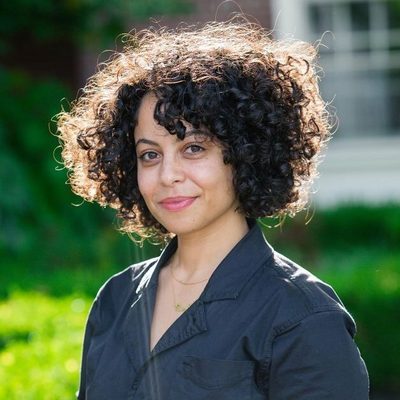
Heba Gowayed is an Associate Professor of Sociology at CUNY Hunter College. Her work centers the lives of people who migrate across borders and the unequal and often violent institutions they face. She is author of Refuge, published with Princeton University Press, and is working on her second project, The Cost of Borders, where she argues that borders, rather than moral markers of sovereign land, are better understood as a series of expensive— and often deadly — transactions. She is published in academic journals as well as in Slate, Al Jazeera English, The New Humanitarian, and Teen Vogue, and has had her work featured in various outlets including her favorite podcast Code Switch.